Lifespan Integration® (LI) Therapy

Our experiences shape how we move through the world. Many become part of our life story, while others, particularly trauma, attachment wounds, chronic relational stress, or overwhelming events, can continue to affect how we feel, respond, and relate long after they have ended.
You may understand intellectually that something happened in the past and still feel its effects in your body, emotions, relationships, or sense of self. Present-day situations may trigger anxiety, shame, anger, fear, shutdown, or a strong need to protect yourself, even though part of you knows the present is different.
Lifespan Integration® (LI) Therapy is a gentle, neuroscience-informed, body-based, and attachment-focused approach that helps the body-mind and nervous system integrate unresolved experiences over time.
A central part of LI is temporal integration. Through repeated movement along a chronological Timeline, the nervous system receives evidence that time has passed, life has continued, and what happened then is not happening now.
At Hollyburn Support Services, Lifespan Integration Therapy is available in person in North Vancouver and virtually across Canada for children, teens, and adults.
What Is Lifespan Integration?
Lifespan Integration was developed by Peggy Pace and is grounded in attachment theory, trauma psychology, interpersonal neurobiology, and nervous-system regulation.
LI is a bottom-up therapy. It does not rely primarily on insight or conscious understanding because trauma and attachment experiences may remain stored in implicit, emotional, sensory, and body-based networks, including subcortical and right-brain systems that are not easily accessed through language alone.
LI uses a chronological Timeline of brief memory cues to help uncover the beliefs, protective strategies, and survival patterns that developed throughout your lifespan. Through repetition, the nervous system can update these old responses, integrate them into the broader narrative of your life, and develop new neural pathways that better reflect who you are and what is true now.
This process can support neural integration, emotional regulation, attachment repair, and a more coherent sense of your life story. Over time, clients may experience greater internal stability, resilience, and self-connection across the lifespan.
The purpose of LI is to help unresolved experiences become integrated, so outdated beliefs and survival responses have less influence on how you feel, relate, and respond in the present.
Meet Our Lifespan Integration® Therapist
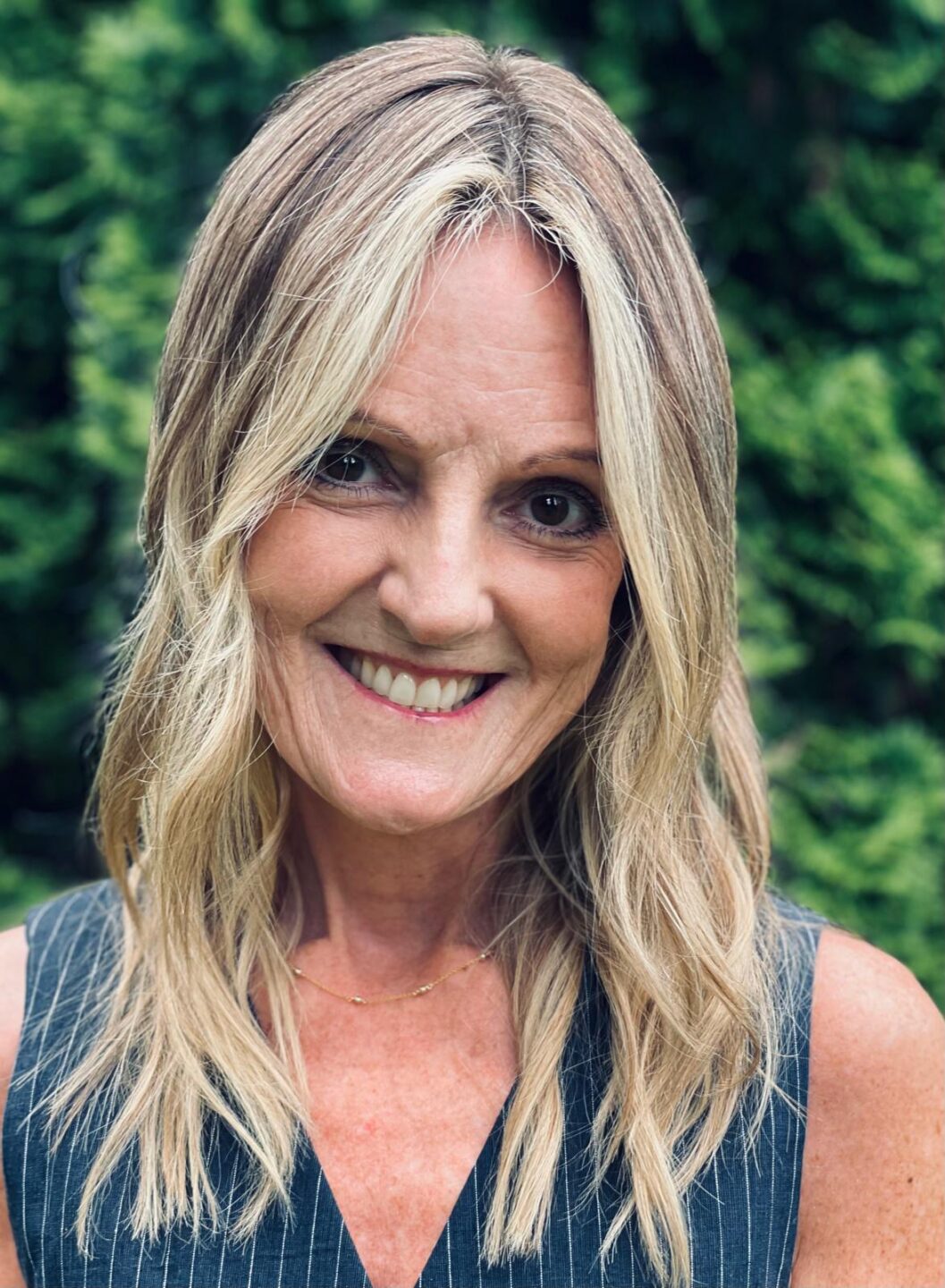
Tracy Cairns, RCC, CCC, offers Lifespan Integration Therapy to children, teens, and adults in person in North Vancouver and virtually across Canada.
Her work is informed by trauma psychology, attachment theory, nervous-system regulation, and relational psychotherapy. Tracy understands that many present-day difficulties began as ways of coping, protecting, surviving, or staying connected during earlier experiences.Treatment is individualized according to each client’s history, nervous system, needs, and goals.
Above all, Tracy is committed to creating a safe, attuned therapeutic relationship in which clients feel heard, supported, and able to move toward lasting change.
View Tracy’s bio here.
Why Work with Tracy?
Tracy is a trauma specialist who works with children, teens, adults, couples, and families. Her areas of focus include single-incident trauma, complex trauma, relational trauma, attachment wounds, anxiety, grief, burnout, and cumulative stress. Her work integrates Lifespan Integration with attachment theory, somatic awareness, parts-based therapy, interpersonal neurobiology, and psychodynamic formulation. She works carefully within each client’s window of tolerance, supporting greater steadiness, connection, and choice.
What Can Lifespan Integration Help With?
Lifespan Integration may be helpful for:
- Single-incident trauma, such as a motor vehicle accident, medical trauma, assault, workplace incident, or another overwhelming event
- Complex trauma arising from repeated, prolonged, developmental, or relational experiences
- Childhood and developmental trauma
- Attachment wounds and early relational experiences
- Sexual abuse and interpersonal trauma
- Betrayal and relational trauma
- Anxiety, panic, and chronic stress
- Emotional overwhelm, shutdown, or disconnection
- Grief, loss, separation, and divorce
- Burnout and compassion fatigue
- First responder trauma and cumulative operational stress
- Veterans and military-related trauma
- Healthcare worker stress and burnout
- Repeating relationship patterns
- Persistent shame or negative beliefs about the self
- Significant life transitions
LI may also be helpful when you understand your patterns intellectually but still feel unable to change them. to your experiences rather than following a one-size-fits-all process.
How Lifespan Integration Works
Lifespan Integration uses a chronological Timeline of brief memory cues from across your life. These cues may include ordinary experiences as well as difficult or overwhelming events. They are kept short and do not require detailed retelling.
Moving through the Timeline helps the nervous system register that time has passed, life continued, and the present is different from the past. Over time, earlier experiences may feel less immediate, present-day triggers may become less intense, and you may feel more grounded in your current life.
A Personalized Approach to Healing
Lifespan Integration is not used in the same way with every person.
The work is shaped around your unique nervous system and the way your system has learned to interpret safety, danger, connection, and threat. Therapy is paced within your window of tolerance – the level of emotional activation you can manage while remaining present, connected, and able to process what is happening.
For some people, therapy may focus on a specific overwhelming event. For others, the work may involve complex trauma, attachment wounds, relationship patterns, or the longer-term effects of difficult childhood experiences.
The process is adapted to you rather than expecting your nervous system to fit a standard approach.
Who May Benefit from Lifespan Integration?
Lifespan Integration may be a good fit if you:
Want trauma therapy that does not require repeatedly recounting painful experiences in detailaccumulated over time, therapy is designed around your individual history.
- Have experienced an overwhelming event that continues to affect you
- Know that something is over but still react as though it is happening now
- Feel emotionally younger, trapped, powerless, or abandoned during conflict
- Experience anxiety, panic, hypervigilance, shutdown, or emotional overwhelm
- Feel affected by difficult childhood or attachment experiences
- Notice recurring relationship patterns you would like to change
- Carry persistent shame, self-blame, or negative beliefs about yourself
- Struggle to trust others, receive care, or feel secure in relationships
- Work in emergency services, healthcare, policing, firefighting, paramedicine, corrections, or the military
- Are experiencing burnout, compassion fatigue, or cumulative stress
What Happens During a Session?
Your therapist will begin by getting to know you, your history, and what you hope to change through therapy. Together, you will decide whether Lifespan Integration is a suitable approach and what area of your experience should be the focus.
You may be invited to create a simple Timeline of brief memory cues. The work is collaborative, carefully paced, and adapted to your nervous system and your window of tolerance.
There is no expectation that you will repeatedly describe painful experiences in detail.
Frequently Asked Questions
No. LI may support both recent and earlier experiences, including a single overwhelming event, complex or developmental trauma, attachment wounds, relational difficulties, grief, and cumulative stress.
Not usually. Lifespan Integration does not require prolonged or repeated retelling of traumatic experiences.
Yes. LI may support first responders, veterans, military personnel, healthcare professionals, and others affected by repeated exposure to distressing events, cumulative operational stress, burnout, or compassion fatigue.
No. The focus and pace are adapted to your history, nervous system, current needs, and therapeutic goals.
Yes. Lifespan Integration Therapy is available in person in North Vancouver and virtually across Canada.
Book a Lifespan Integration Therapy Session
Lifespan Integration offers a gentle, individualized way to work with experiences that continue to affect your present life.
Contact Hollyburn Support Services to book a free consultation or schedule a Lifespan Integration Therapy appointment in North Vancouver or online across Canada.